

Conquering Mytikas: Walking the Mythical Path to Olympus' Summit
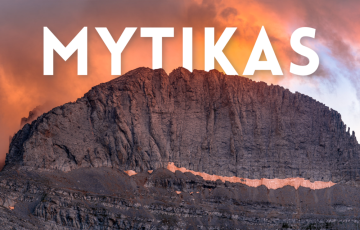
Standing tall at 2,918 meters (9,573 feet) above sea level, Mytikas, the highest peak of Mount Olympus, is more than just the tallest mountain in Greece—it’s a journey into mythology, raw nature, and alpine beauty. Revered in ancient times as the home of the Greek gods, this legendary mountain invites modern-day adventurers to trace the paths once believed to be walked by Zeus himself.
A Quick Overview
Mount Olympus is a majestic mountain range located in northern Greece, straddling the borders of Thessaly and Macedonia. It’s not just the tallest mountain in the country but also a UNESCO Biosphere Reserve, boasting rich biodiversity, steep cliffs, deep gorges, and mystical forests.
The mountain has multiple peaks, but Mytikas is the crown jewel. Other notable summits include Skala and Skolio, which are often visited on the way to the main peak.
How to Get There
The most common base for climbing Mount Olympus's summit, Mytikas, is the charming town of Litochoro, located at its base. From there, most visitors drive or take a taxi to Prionia, the main starting point for hikers. Here's how to get to Litochoro:
- By Car: From Thessaloniki (approx. 1.5 hours) or Athens (approx. 5–6 hours), you can take the national highway and exit near Katerini.
- By Train/Bus: Frequent trains from Thessaloniki and Athens stop at Litochoro station, though you may need a taxi to get to the town centre.
Parking: There’s free parking available at Prionia, which is the highest point accessible by vehicle (1,100 meters altitude).
There are no cable cars to the summit. All ascents are done on foot, maintaining the mountain’s rugged and natural character.
Popular Trails to Mytikas
-
Standard Route (for Casual Hikers – Somewhat Difficult)
- Route: Prionia → Spilios Agapitos Refuge → Skala → Mytikas
- Time: 7–10 hours total ascent (with rest at the refuge)
- Elevation Gain: Approx. 1,800 meters
This is the most popular route for hikers. You begin at Prionia and hike through dense pine and beech forests to reach the Spilios Agapitos Refuge (~2,100 m), also known as Refuge A. Most hikers stay overnight here before tackling the final stretch.
From the refuge, the trail continues to Skala peak (2,866 m)—a relatively manageable climb. Then comes the most challenging segment: the “Kakoskala” section, a steep scramble across rocky terrain leading to Mytikas. This portion is not technically a climb, but it’s exposed and not recommended for those with a fear of heights or poor footing.
-
Advanced Route: Louki Couloir (for Experienced Climbers)
- Route: Refuge A → Louki Gully → Mytikas
- Time: ~1.5–2.5 hours from the refuge to the summit
- Difficulty: High, involves exposed scrambling and technical climbing
The Louki Couloir is a steep, narrow gully that offers a more technical and thrilling route to Mytikas. Helmets and ropes are often used by experienced mountaineers here due to the risk of falling rocks and the vertical exposure.
Accommodation: Sleeping on the Mountain
- Refuge Spilios Agapitos (Refuge A): Located at 2,100 meters. Offers beds, food, water, toilets, and warm hospitality. It’s a popular overnight spot before the final push to Mytikas.
- Other Mountain Refuges: There are a few others (e.g., Refuge C - Christos Kakalos), but Spilios Agapitos is the most accessible and widely used.
- Litochoro: If you prefer not to stay on the mountain, there are plenty of guesthouses, hotels, and campsites at the base in Litochoro.
When to Visit
- Best Time: Late June to early October
- Why: The weather is most stable during this period. Snow is largely melted, making the summit routes safer and more accessible. Refuges are open and operating fully.
Avoid winter and early spring unless you are a mountaineer with alpine gear—Mytikas becomes a technical snow climb and is dangerous without proper experience.
Points of Interest and Cool Facts
- Enipeas Gorge: At lower altitudes, this gorge near Litochoro is lush, mystical, and filled with waterfalls—perfect for a scenic day hike.
- Throne of Zeus: Skala and Skolio peaks form a sort of natural amphitheatre near Mytikas, often referred to as the “Throne of Zeus”.
- Kakoskala: This infamous stretch leading to Mytikas means “evil staircase”—a rocky, narrow passage that challenges every hiker.
- Dion Archaeological Site: Just a short drive from Litochoro lies this ancient city dedicated to Zeus, where sacrifices were made before Olympic ascents.
- Panoramic Views: On clear days, you can see the Aegean Sea, Mount Athos, and even as far as Thessaloniki from the summit.
Final Thoughts
Climbing Mytikas isn’t just a hike—it’s a rite of passage. The blend of mythology, natural beauty, and physical challenge makes this a bucket-list experience for any adventurous traveller visiting Greece.