

Conquering Mont Blanc: Standing Atop Western Europe
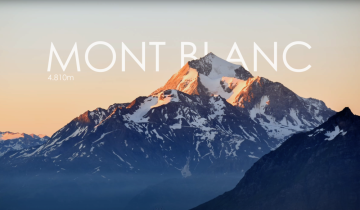
Mont Blanc stands as the highest peak in Western Europe and is the highest peak in the Alp mountain range, towering at an impressive 4,810 metres (15,781 feet). This iconic mountain, whose name translates to "White Mountain," is a dream destination for adventurers, climbers, and nature enthusiasts from around the world.
The Trails: Pathways to the Summit
The Goûter Route: For the Determined Climber
The Goûter Route is the most popular and well-trodden path to the summit of Mont Blanc. Starting from the village of Les Houches, climbers typically take the Bellevue cable car and the Mont Blanc Tramway to the Nid d'Aigle (2,372 meters). From here, the journey begins with a challenging hike to the Tête Rousse Hut (3,167 meters), where many spend their first night.
The next day, climbers tackle the rocky and often icy ascent to the Goûter Hut (3,835 meters), navigating the notorious Grand Couloir, known for its frequent rockfalls. After resting at the Goûter Hut, the final leg to the summit is typically undertaken early in the morning, allowing climbers to reach the peak as the sun rises, casting a golden hue over the snow-capped Alps. This route requires excellent physical fitness, acclimatization to high altitudes, and experience with ice climbing and glacier travel.
The TMB (Tour du Mont Blanc): For the Enthusiastic Hiker
For those who prefer a more leisurely yet equally rewarding experience, the Tour du Mont Blanc (TMB) offers a multi-day trek around the base of Mont Blanc, rather than to its summit. This 170-kilometer trail passes through France, Italy, and Switzerland, showcasing diverse landscapes, charming alpine villages, and stunning mountain scenery.
The TMB can be hiked in segments, with numerous starting points, but a common starting location is Les Houches. Hikers can take advantage of well-maintained trails, various accommodations ranging from huts to hotels, and the opportunity to enjoy local cuisine and culture along the way. This trail is accessible to hikers with moderate experience and provides a comprehensive Mont Blanc adventure without the technical challenges of a summit climb.
Accommodations: Resting on Mont Blanc
Whether you’re ascending to the summit or exploring the base, there are several accommodation options available:
- Huts on the Goûter Route: Key huts include the Tête Rousse Hut and the Goûter Hut. Reservations are essential due to high demand. These huts provide basic sleeping arrangements and meals, offering a much-needed rest stop for climbers.
- Valley Accommodations: In the Chamonix Valley, towns like Chamonix and Les Houches offer a range of hotels, chalets, and guesthouses. These are perfect for hikers on the TMB or those looking to explore the region's lower trails.
Getting There: Access and Transportation
To reach Mont Blanc, the most common gateway is the town of Chamonix, which is well-connected by road and rail. The nearest major airport is Geneva, from where regular shuttles and trains run to Chamonix. For those driving, ample parking is available in Chamonix and Les Houches.
Cable cars and trains, such as the Bellevue cable car and the Mont Blanc Tramway, facilitate access to higher starting points like the Nid d'Aigle, making the ascent more manageable.
When to Visit: Timing Your Adventure
The best time to visit Mont Blanc depends on your activities:
- For Climbers: The prime climbing season is from June to September when weather conditions are most stable, and huts are open.
- For Hikers: The TMB is best enjoyed from late June to early September, avoiding snow-covered trails and ensuring huts and amenities are operational.
Interesting Highlights: Sights and Landmarks
- The Grand Couloir: A famous yet dangerous section of the Goûter Route, known for its rockfall risk.
- Aiguille du Midi: While not part of the main climbing routes, this peak (accessible by cable car from Chamonix) offers stunning views and a thrilling bridge crossing.
- Mer de Glace: France's largest glacier, accessible from Chamonix via the Montenvers Railway, is a fascinating detour.
Mont Blanc is not just a mountain; it’s a symbol of alpine adventure and natural beauty. Whether you’re summiting its peak or traversing its picturesque base, Mont Blanc promises an awe-inspiring journey filled with challenges, triumphs, and memories that will last a lifetime.