

Cooking in the Wilderness - Handy Tips for Your Adventurous Meals
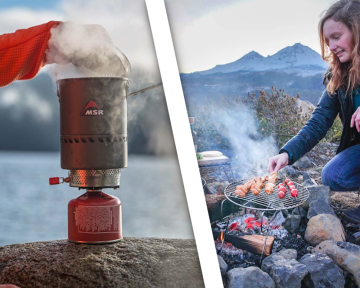
Cooking in the wilderness is an art that blends the pleasure of being outdoors with the satisfaction of a well-prepared meal. However, it requires preparation and knowledge to ensure your meals are safe, delicious, and enjoyable. This blog will cover everything you need to know about cooking in the wild, from preparation to execution, providing practical tips and easy recipes.
Things to Consider
When it comes to wilderness cooking, safety should always be your top priority. Fire safety is crucial; you must be aware of local fire regulations and always use established fire rings or designated areas for open fires. Additionally, wildlife can pose a threat if food is not stored securely. In bear country, using bear-proof containers is essential to avoid attracting unwanted visitors.
Maintaining hygiene is another important aspect; keeping your hands, utensils, and cooking surfaces clean helps prevent foodborne illnesses. Use biodegradable soap and water for washing to minimize your environmental impact.
Speaking of the environment, it's vital to follow Leave No Trace principles. This includes packing out all your waste, including food scraps, and using biodegradable products. Stick to established campsites and use existing fire rings to minimize your impact on nature.
Preparation: Minimizing What You Need to Bring
Effective meal planning can significantly reduce the amount of gear and ingredients you need to bring. Opt for simple meals that require few ingredients and minimal preparation. Pre-portioning ingredients at home can save you time and space, and choosing multipurpose ingredients can be very efficient. Packing smart is also crucial. Use lightweight, multi-functional cooking equipment like collapsible pots and utensils, and consider dehydrated or freeze-dried foods to save space and weight. Reusable silicone bags or containers are great for packing ingredients and reducing waste.
Cooking Methods: Jet Cooker vs. Campfire
Cooking in the wild can be done using a variety of methods, with jet cookers and campfires being among the most popular.
Jet cookers are portable, efficient, and ideal for quick meals. They require no prior preparation and a also quick to set up. Just place it on a stable surface and connect the fuel canister. Turn on the gas and use the built-in igniter to light the flame. One of the main advantages is the ability to adjust the flame to the desired intensity. Jet cookers are particularly good for boiling water, making soups, and cooking quick meals like pasta.
Cooking on a campfire, on the other hand, offers a more traditional and rustic experience. When going for this option, you save on weight and is more budget-oriented. Although you may face problems starting a fire when the weather is humid and cold.
To prepare for a campfire, start by gathering dry wood and kindling. Build a fire in a designated fire ring (a circle of rocks placed around the campfire - this prevents fire from spreading), beginning with small sticks and gradually adding larger logs. Use a grill grate or a flat rock placed over the coals for cooking. Managing the fire to create hot coals is essential for even heat distribution, and moving pots and pans around the fire can help control the cooking temperature.
Risks to Keep in Mind
Cooking in the wilderness comes with its own set of risks. Weather conditions can change suddenly, with rain potentially extinguishing your fire and strong winds making cooking difficult. Food safety is another critical concern; keeping raw and cooked foods separate helps avoid cross-contamination, and ensuring meats are cooked thoroughly is essential for preventing foodborne illnesses. Injuries can also occur when handling hot equipment and knives, so always exercise caution and keep a basic first aid kit on hand.
Easy Wilderness Meals with Minimal Preparation
When it comes to meals that require minimal preparation, instant oatmeal is a quick and nutritious breakfast option. Simply add hot water, stir, and enjoy. You can customize it with dried fruits, nuts, or honey for added flavour and nutrition.
Another simple and hearty meal is pasta primavera. For this dish, you’ll need 1 cup of pasta, 1 cup of mixed dehydrated vegetables, a packet of instant soup mix (preferably cream-based), and 2 cups of water. Start by boiling the water in a pot using a jet cooker or over a campfire. Add the pasta and cook until it’s al dente. Stir in the dehydrated vegetables and soup mix, then cook for an additional 5-7 minutes until the vegetables are rehydrated and the pasta is cooked through. Serve hot and enjoy a satisfying meal.
Alternatives: Ready Meals
For those who prefer convenience, ready meals are an excellent option. Freeze-dried meals come in various flavours and types, requiring only hot water to rehydrate. Canned foods, though heavier, are easy to prepare and often come ready to eat. Meal replacement bars are another quick and easy meal option, providing high calories and nutrition on the go.
Cooking in the wilderness can be a rewarding part of your outdoor adventure. By planning ahead, packing efficiently, and choosing the right cooking methods, you can enjoy delicious and satisfying meals no matter where your travels take you. Remember to prioritize safety, respect the environment, and embrace the simplicity of outdoor cooking. Happy camping and cooking!