

Hiking to the Annapurna Base Camp: A Journey of Natural Beauty and Cultural Wonders
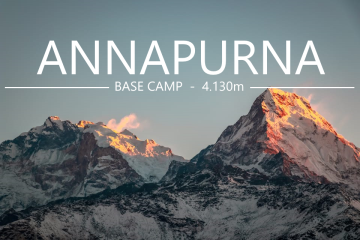
Annapurna, part of the majestic Himalayas, isn’t just a mountain; it’s a spiritual journey etched with scenic splendour and cultural depth. Standing at 8,091 meters, Annapurna I is the tenth-highest mountain in the world, drawing adventurers and nature lovers to its base camp for a life-changing experience. Here’s a guide on what to expect on this journey, from the trek’s highlights to essential practical details.
Trails to Annapurna Base Camp (ABC)
The path to Annapurna Base Camp offers a mix of trails, tailored to both casual hikers and experienced trekkers. Among these, the Annapurna Sanctuary Trail is a favourite, known for its lush landscapes, picturesque villages, and well-defined paths. This moderate trail is ideal for casual hikers, with a typical journey to the base camp taking 7–10 days.
For more experienced climbers, the Annapurna Circuit is the go-to route. This challenging trail circles the Annapurna Massif and includes high-altitude passes like Thorong La Pass at 5,416 meters, demanding not only physical stamina but also good acclimatization to handle the altitude. Although more physically demanding, it rewards trekkers with panoramic views and diverse topography, ranging from subtropical forests to alpine deserts.
Difficulty and Best Time to Visit
While the Annapurna Sanctuary Trail is suitable for those with moderate fitness levels, expect long days of trekking with varied inclines and challenging stone steps. The Annapurna Circuit is more strenuous, recommended for seasoned trekkers with a high level of fitness due to the high altitude and longer distances.
The ideal time to trek to Annapurna Base Camp is spring (March to May) or autumn (September to November). In spring, rhododendron forests bloom vibrantly, while autumn offers clear skies and pleasant temperatures, making it easier to enjoy the breathtaking vistas and trek safely.
Reaching the Starting Point and Parking
To start your journey, fly to Pokhara, Nepal’s trekking hub, from Kathmandu. From Pokhara, a short drive takes you to Nayapul or Ghandruk, which are popular starting points for the trek. Local buses or private taxis can get you there conveniently. For those driving, parking options are available in both Nayapul and Ghandruk, though parking in a private facility in Pokhara and arranging transport to the trailhead is often recommended.
Sleep Options on the Mountain
Along the trails, teahouses provide accommodation, offering comfortable beds and meals for trekkers. These teahouses are modest yet warm and hospitable, providing a sense of community as trekkers from around the world gather to share stories and experiences. The base camp itself has teahouses, but they tend to fill up quickly, so securing a spot early is ideal. For those who want more comfort at the base, Pokhara also has lodges and hotels to relax in before or after the trek.
Points of Interest on the Trail
The Annapurna trek is rich in scenic and cultural sites. Mardi Himal offers a mesmerizing viewpoint en route, while Machapuchare (Fishtail Mountain)—a sacred, unclimbed peak—stands as a sentinel over the trek, capturing the attention of all who pass. The village of Chhomrong is known for its welcoming Gurung community and cultural significance, providing an opportunity to experience local hospitality.
As you approach the base camp, you’ll encounter the famous Hinku Cave, a natural formation where trekkers have historically found shelter, adding a touch of adventure and historical intrigue to the journey.
Interesting Facts About Annapurna
-
A Deadly Summit: Annapurna I has one of the highest fatality-to-summit ratios among the 8,000-meter peaks, with climbers facing extreme technical and weather challenges. Despite this, its base camp remains accessible and safe for trekkers, making it unique as a destination for those seeking close encounters with a high-altitude peak without the dangers of summiting.
-
Home to a Hindu Goddess: In local culture, Annapurna is associated with the Hindu goddess of food and nourishment. The name Annapurna means “Goddess of the Harvests,” and the mountain is revered for symbolizing sustenance and prosperity, bringing a deep spiritual connection to those who undertake the journey.