

Mastering the Slopes: A Guide to Choosing the Perfect Ski Poles
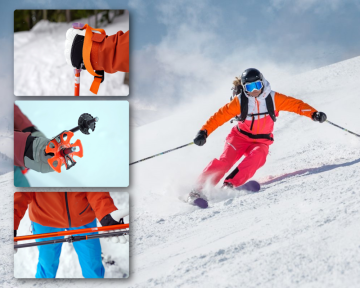
Ski poles may seem like a minor piece of equipment, but choosing the right pair can greatly enhance your skiing performance, stability, and comfort. The wrong size or type can throw off your balance or make navigating difficult terrain a challenge. Whether you're an experienced skier or just starting out, here’s a complete guide to help you pick the perfect ski poles.
1. Finding the Correct Length
The length of your ski poles is perhaps the most critical factor in ensuring smooth and controlled skiing. There are several methods to determine the right pole length for you:
-
Arm Position Test: When standing upright in regular shoes and holding the pole just below the basket, your forearm should be horizontal or have a slight downward tilt. For someone who is 175 cm tall, this would typically mean poles of around 125 cm in length.
-
Height Calculation: Another easy method is to divide your height by 1.4 or multiply it by 0.7 to get the ideal pole length in centimeters. For instance, if you’re 175 cm tall, your poles should be between 119 and 126 cm.
-
Simple Formula: A quicker trick is to subtract 50 cm from your height, giving you a rough idea of what length works best.
Some brands offer easy-to-use sizing charts that match your height to the right pole length, making the process straightforward.
Adapt for Terrain with Adjustable Poles
Skiers tackling various slopes may want to opt for slightly longer poles, especially on steep or flat terrain. Adjustable or telescopic poles are ideal in such cases, allowing you to modify the length for optimal performance in changing conditions.
2. Material Matters: Weight vs. Durability
Ski poles are available in a range of materials, each with its pros and cons:
-
Aluminium: Known for its durability and affordability, aluminium poles are a common choice among beginner to intermediate skiers. While sturdy, they tend to be heavier than other options.
-
Carbon Fiber: Lightweight and stiff, carbon fiber poles are often preferred by more advanced skiers for their superior performance. They handle snow conditions well and are easier to maneuver but come with a higher price tag.
-
Composite Poles: These poles combine the durability of aluminium and the lightness of carbon, offering a good balance of performance and cost for intermediate skiers.
If you ski frequently or leave your poles unattended in public areas, you may want to avoid more expensive materials to reduce the risk of theft.
3. Choosing the Right Basket Size
The basket at the bottom of your ski pole might seem like a minor detail, but its size significantly impacts your skiing experience depending on the terrain.
-
Small Baskets: Ideal for well-groomed slopes, small baskets minimize drag and make pole planting smoother.
-
Large Baskets: If you’re skiing in deep snow, larger baskets are essential. They help prevent the poles from sinking too deeply into the snow, ensuring better balance and stability.
Having the right basket size tailored to the type of skiing you’re doing is crucial for maintaining control and maximizing your performance.
4. Grip and Straps: Ensuring Comfort and Safety
The grip and straps of your ski poles also play a vital role in comfort and safety. Look for grips made from non-slip materials to ensure a firm hold, even in wet or snowy conditions.
-
Standard Straps: These are designed to loop around your wrist and help prevent you from dropping the pole.
-
Quick-Release Straps: Found in high-end models, these straps release automatically in the event of a fall, minimizing the risk of injury by preventing the pole from getting caught and twisting your arm or wrist.
Investing in poles with high-quality grips and straps can make a noticeable difference in both comfort and safety.