

How to Clean & Store Your Tent Properly
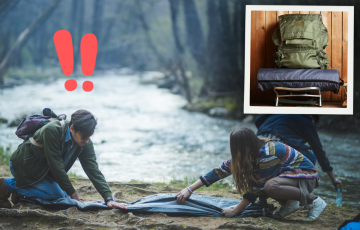
If you spend enough time outdoors, your tent becomes more than just gear—it’s your home under the stars. And just like any home, it needs some care if you want it to last through many more adventures. Mud from a rainy hike or a layer of dust from a dry forest trail can take their toll, but cleaning and storing your tent properly can make a big difference in how long it lasts—and how fresh it smells next time you unzip it.
Here’s a simple guide to help you keep your tent in top shape.
Start by Shaking It Out
Before you even think about cleaning, give your tent a good shake. It’s surprising how much dirt, pine needles, and bits of leaves collect in the corners. Flip it inside out if needed, especially if you’ve camped in windy or wooded areas. A soft brush can also help sweep out finer dust and debris.
If you’re at home, setting the tent up fully or draping it over a clothesline or railing makes this part a lot easier.
Spot Clean First
Most of the time, your tent won’t need a full wash—just some focused cleaning in a few spots. Mud splashes near the base, bird droppings on the rainfly, or sunscreen stains from your hands are the usual suspects.
Use a sponge or soft cloth with cold or lukewarm water and a small amount of non-detergent soap. Regular household soaps or detergents can break down the waterproof coating, so it’s essential to use something gentle. There are even tent-specific soaps available if you want to go the extra mile.
Avoid scrubbing too hard. Think of your tent like a jacket—it’s tough, but still needs a gentle hand.
Deep Cleaning: Only When Necessary
If your tent is starting to smell or has been through a particularly dirty trip, it might be time for a full clean. Here’s how to do it right:
- Fill a bathtub or a large container with cool water.
- Add a small amount of mild, non-detergent soap.
- Soak the tent and rainfly separately for about 10–15 minutes. Swish them around gently with your hands.
- Rinse thoroughly—more than once, if needed. Any soap residue left behind can attract dirt or damage the fabric over time.
- Never use a washing machine. Even on a gentle cycle, it can tear seams or damage coatings.
Drying the Tent
Let the tent air dry completely before packing it away. This step is key. If it’s even slightly damp, storing it will lead to mould and mildew—two things that are tough to get rid of and can ruin your tent’s smell and strength.
Set it up outside or hang it over a line in a shaded spot. Direct sunlight can fade the fabric and weaken the material, so don’t leave it baking under the sun for too long.
If you’re in a rush or drying it indoors, aim for good airflow. Use a fan if you need to, and make sure all corners, seams, and pockets are totally dry.
Storing It the Right Way
Once your tent is clean and dry, try to avoid cramming it back into its original bag. While nothing harmful should occur if you do, keep in mind that the bag is designed primarily for transport, not long-term storage.
Here’s a better way to store your tent:
- Loosely fold or roll it. Avoid sharp creases that could weaken the fabric over time.
- Use a larger, breathable storage sack. A cotton or mesh bag works well. Avoid airtight containers—they trap moisture.
- Keep it in a cool, dry place. Somewhere off the floor and away from direct sunlight or heat. A closet shelf works better than a garage or basement.
Also, store the poles and stakes separately, especially if they’re wet or muddy. Tent poles, in particular, can corrode or develop tension damage if stored incorrectly.
Bonus Tips to Make It Last Longer
- Always shake off dirt and moisture before packing up at the campsite.
- Zip everything up before storing to prevent snags or tears.
- If something breaks—a pole snaps, a seam loosens—repair it as soon as possible. Small issues tend to get worse if you wait.