

Bisphenol-A (BPA) – What is it and why should you care?
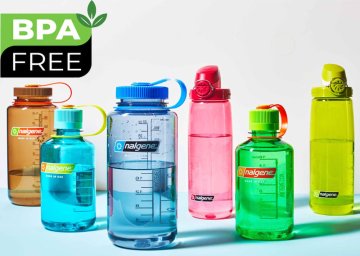
Bisphenol-A (BPA) is a chemical compound used in the manufacturing of various plastic products. It is a synthetic estrogen primarily used in the production of polycarbonate plastics and epoxy resins. These materials are commonly found in many consumer products, including food and beverage containers.
Harmful Effects on Human Health
Research has shown that BPA can have negative effects on human health. Some of these effects include:
- Hormonal Disruption: BPA is known as an endocrine disruptor, meaning it can interfere with normal hormonal functions.
- Increased Cancer Risk: BPA exposure is associated with an increased risk of developing certain cancers, such as breast and prostate cancer.
- Developmental Problems: BPA can affect brain development and behavior in children.
- Reproductive Issues: In both men and women, BPA can reduce fertility and cause other reproductive problems.
Common Uses of BPA in Products
BPA is commonly used in various products, including:
- Plastic water bottles
- Food containers
- Coatings on the inside of cans
- Sports and camping gear such as plastic dishes and folding containers
BPA-free Products
NALGENE is a company known for producing BPA-free bottles. NALGENE uses alternative materials like Tritan™ plastic, which does not contain BPA or other harmful chemicals. The manufacturing process of BPA-free bottles involves using safer chemicals that do not pose health risks.
Interesting Facts
- Recyclable Alternatives: Research and development continue to focus on finding safe and sustainable alternatives to BPA, such as bioplastics.
- BPA in Space: NASA has conducted research on BPA aboard the International Space Station (ISS) due to its widespread use in materials used in space.